
Introduction to Business Creative Needs
In today’s competitive market, businesses thrive not just on their products or services but also on how they present themselves. Branding, design, content creation, video production, and digital marketing are no longer optional — they’re essential for growth and visibility. That’s why many business owners eventually face a critical decision: should they partner with end-to-end creative studios or hire freelancers for their projects?
This choice isn’t always straightforward. Both options come with unique advantages, challenges, and financial implications. The best decision often depends on the business’s size, industry, and long-term goals. In this article, we’ll break down the pros and cons of both models, provide real-world scenarios, and offer a practical framework to help you decide what’s best for your business.
Why Creative Services Are Vital for Modern Businesses
The digital age has redefined how brands interact with customers. Strong creative work:
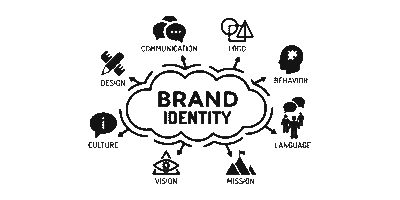
- Enhances brand identity and recall
- Builds trust and credibility
- Drives customer engagement
- Supports sales and conversions
- Differentiates a business in crowded markets
Without compelling creative output, even businesses with great products may struggle to stand out.
Common Areas Where Businesses Seek Creative Support
Businesses often turn to creative professionals for:
- Brand identity development (logos, typography, color palettes)
- Marketing campaigns (ads, social media content, videos)
- Website and app design
- Content creation (blogs, copywriting, SEO assets)
- Photography and videography
- Product packaging and promotional design
Whether to outsource these needs to a studio or freelancer can dramatically impact cost, speed, and results.
Understanding End-to-End Creative Studios
Definition and Core Services of Creative Studios
An end-to-end creative studio is typically a full-service agency offering a wide range of creative solutions under one roof. These can include branding, strategy, content production, design, and marketing execution. Studios usually operate as structured teams, often housing experts across multiple disciplines.
How Studios Operate: Team-Based Collaboration
Studios thrive on collaborative workflows. Designers, copywriters, strategists, and project managers work together, ensuring consistency across all deliverables. Businesses benefit from structured processes, timelines, and professional accountability.
Advantages of End-to-End Studios for Businesses
- Access to diverse skill sets in one place
- Higher consistency in branding and messaging
- Reliable timelines and structured processes
- Ability to handle large-scale projects
- Strong project management and accountability
Limitations of Creative Studios
- Generally more expensive than freelancers
- Less flexibility for very small or ad-hoc tasks
- May feel less personal compared to direct freelancer relationships
Understanding Freelancers
Who Freelancers Are and What They Offer
Freelancers are independent professionals specializing in specific creative areas, such as design, writing, video editing, or marketing. They typically work solo, offering personalized services to clients.
Benefits of Hiring Freelancers
- Cost-effective for small or one-off projects
- Greater flexibility in terms of scope and working hours
- Direct, personal communication
- Access to niche or specialized expertise
Challenges Businesses Face with Freelancers
- Risk of inconsistent quality
- Limited capacity for large projects
- Potential delays due to multiple commitments
- Less accountability without formal contracts or management systems
Direct Comparison: End-to-End Creative Studios vs Freelancers
Cost and Budget Considerations
- Studios: Higher upfront costs but cover all aspects of a project.
- Freelancers: Lower costs but may require hiring multiple individuals for different tasks.
Quality and Consistency of Deliverables
- Studios ensure brand consistency through collaborative teams.
- Freelancers may vary in style, requiring extra effort to align outputs.
Project Timelines and Flexibility
- Studios follow structured timelines and deliver faster on big projects.
- Freelancers offer flexibility but may face bottlenecks if overbooked.
Communication and Accountability
- Studios provide dedicated account managers.
- Freelancers require direct one-on-one communication, which can be more personal but less scalable.
Scalability and Long-Term Partnerships
- Studios are better suited for long-term, large-scale campaigns.
- Freelancers excel in short-term or specialized needs.
Which Option Fits Different Business Sizes?
Startups and Small Businesses
For startups, every dollar counts. Many lean on freelancers for early branding, website design, and marketing campaigns. Freelancers provide cost savings and flexibility, which is critical when cash flow is tight. However, the downside is scalability. As startups grow, the patchwork of freelance work can lead to inconsistent brand identity.
Medium-Sized Enterprises
This group sits at a crossroads. Medium-sized businesses often juggle multiple marketing channels, seasonal campaigns, and brand-building exercises. While freelancers can still play a role, end-to-end creative studios are better suited to ensure consistency and scalability as these companies expand their market presence.
Large Corporations
Big brands with global reach rarely gamble on freelancers alone. They require dedicated teams, sophisticated workflows, and strategic input — all of which end-to-end creative studios provide. While freelancers may still be engaged for highly specialized roles, studios ensure the enterprise-level professionalism and accountability corporations demand.
Industry-Specific Scenarios
Creative Needs in Tech Startups
Tech startups often move fast, pivoting strategies on short notice. A freelancer can provide quick, affordable design or content in the early stages. But when scaling to investor presentations, global marketing campaigns, or UX design, creative studios become the safer choice.
Marketing and Advertising Firms
Agencies that outsource creative work often benefit from partnering with studios for high-volume deliverables. Freelancers can still be valuable for niche expertise like animation or influencer content creation.
E-commerce and Retail Brands
E-commerce brands live or die by visuals — product photography, packaging, video ads, and social content. Studios provide the comprehensive services needed for cohesive campaigns, while freelancers may be brought in for ongoing content generation like lifestyle product shoots.
Hybrid Approach: Combining Studios and Freelancers
When a Mixed Model Works Best
Many businesses find that the best solution isn’t choosing one over the other but blending both. A creative studio can handle large campaigns and brand strategy, while freelancers can supplement with smaller, specialized projects.
Practical Examples of Hybrid Collaboration
- A brand works with a studio for a rebrand launch campaign but hires a freelance copywriter for ongoing blog content.
- An e-commerce company partners with a studio for video ads but uses freelancers for seasonal product photography.
Decision-Making Framework for Business Owners
Key Questions to Ask Before Choosing
- What’s my budget for creative services?
- Do I need one-off solutions or a long-term partner?
- How critical is consistency across branding and messaging?
- Can I manage multiple freelancers, or do I prefer an all-in-one team?
Cost-Benefit Analysis Checklist
| Factor | Studios | Freelancers |
|---|---|---|
| Cost | Higher but all-inclusive | Lower but fragmented |
| Consistency | High | Varies |
| Scalability | Excellent | Limited |
| Accountability | Strong | Relies on individual |
| Flexibility | Moderate | High |
Risk Mitigation Strategies
- Always sign contracts with clear deliverables.
- Test with smaller projects before long-term commitments.
- Use a hybrid approach if uncertain.
FAQs on End-to-End Creative Studios vs Freelancers
Q1. Are creative studios always more expensive than freelancers?
Yes, studios typically charge higher rates, but the cost covers an entire team and end-to-end services. Freelancers are cheaper but may require hiring multiple people for different tasks.
Q2. Can small businesses benefit from creative studios?
Absolutely. Many studios offer tiered packages or scaled-down services tailored for startups and small businesses.
Q3. How do I ensure a freelancer delivers quality work?
Check portfolios, ask for references, and start with a small paid project before committing long-term.
Q4. Can I switch from freelancers to a studio later?
Yes, many businesses start with freelancers and transition to studios as they grow and need more consistency.
Q5. Is it possible to work with both a studio and freelancers at the same time?
Definitely. Many businesses use studios for major campaigns while engaging freelancers for smaller, ongoing needs.
Q6. What’s the main risk of relying solely on freelancers?
The biggest risk is inconsistency — both in design quality and availability, since freelancers often juggle multiple clients.
Conclusion: Making the Right Choice for Your Business
Choosing between end-to-end creative studios vs freelancers isn’t about right or wrong — it’s about fit. Freelancers shine when businesses need affordable, flexible, and specialized work. Studios, however, excel in delivering scalable, consistent, and professional solutions that align with long-term growth.
If your business is scaling and you need a one-stop creative partner that delivers strategy, design, and execution under one roof, an end-to-end studio is your best bet.
👉 This is exactly what we do at Softworks Creative Studio. Our team combines design, strategy, and technology to help businesses craft powerful brand identities, stunning visuals, and results-driven campaigns. Whether you’re a startup, a growing company, or an established brand, we ensure your creative assets work as hard as you do.
💡 If you’re ready to elevate your brand with a trusted creative partner, visit getsoftworks.com and let’s build something extraordinary together.